
Blog
How Clear Aligners Straighten Teeth Over Time in North Ridgeville, OH
Where Smiles Begin!
Comprehensive dental care for the whole family

A straighter smile rarely happens overnight, and clear aligners are designed that way on purpose. If you have wondered how clear aligners straighten teeth, the answer is steady, controlled pressure: each custom tray nudges your teeth a fraction of a millimeter, and the bone around them gradually rebuilds to hold them in their new positions. At Center Ridge Dental in North Ridgeville, OH, our team has spent more than 35 years caring for families, and we guide teens and adults through SimplyClear aligner treatment with the same honest, personalized approach we bring to every visit.
Knowing what happens inside your mouth during treatment makes it easier to stay on track, set realistic expectations, and protect the results you worked for.
This Article Will Address
- The biology behind how aligner trays move teeth
- Which bite and spacing problems aligners can correct
- What each stage of treatment looks like
- Why daily wear time shapes your results
- How retainers keep a new smile in place
How Do Clear Aligners Work to Move Teeth?
Clear aligners work by applying gentle, constant pressure that signals the bone around each tooth to reshape itself. Every tray in your series is shaped slightly differently from the one before it, so a new set fits a little snugly against the teeth scheduled to move next.
What Happens Beneath the Gumline During Tooth Movement
Each tooth sits in a socket of bone, held in place by a thin cushion of fibers called the periodontal ligament. When an aligner presses on a tooth, that ligament compresses on one side and stretches on the other. The difference sets off two responses at once:
- On the pressure side, cells called osteoclasts break down small amounts of bone to make room
- On the tension side, cells called osteoblasts lay down new bone to fill the space left behind
- The ligament reorganizes its fibers so the tooth stays anchored as it travels
This cycle of removing and rebuilding bone is why the process takes time. Teeth are not being forced through bone. The bone is remodeling around them, one small change after another.
Why Clear Aligner Treatment Moves in Small Steps
Most plans shift each tooth only a fraction of a millimeter per tray. Keeping each step small gives the surrounding tissue time to adapt and helps every tooth settle into a healthy position. It is a way to straighten teeth without braces, yet the biology is the same one orthodontists have relied on for decades. Depending on your plan, small tooth-colored bumps called attachments may be bonded to certain teeth to give the trays a better grip for rotating or tipping them.
What Alignment Problems Can Clear Trays Correct?
Clear aligners can correct many of the most common spacing and bite concerns in teens and adults, especially mild to moderate cases. These include:
- Crowded teeth that overlap or twist out of line
- Gaps and uneven spacing between teeth
- Overbite, where the upper front teeth extend too far past the lower teeth
- Underbite, where the lower teeth sit ahead of the upper teeth
- Crossbite, where some upper teeth rest inside the lower teeth
- Relapse, or minor shifting after earlier orthodontic treatment
Correcting these issues is about more than appearance. Overlapping teeth trap plaque in spots a toothbrush struggles to reach, and an uneven bite can wear down enamel or strain the jaw joints over time. Some severe cases, including major jaw discrepancies, may be better served by a different approach, and we will tell you plainly if that applies to you.
Because Dr. Nathan Harris and Dr. Kayla Bomske also provide preventive, restorative, and cosmetic care, they can plan tooth movement around existing fillings, crowns, or future cosmetic goals such as whitening or bonding. That coordination keeps each step of your care working toward the same finished smile.
How Does Aligner Treatment Progress from Start to Finish?
Aligner treatment moves through a predictable series of stages: an evaluation, a digital plan, a sequence of trays, periodic check-ins, and finally retention. Here is what each phase typically involves at our practice.
Evaluation and Digital Treatment Planning
Treatment begins with a comprehensive dental exam to confirm your teeth and gums are healthy enough for movement. Cavities or gum inflammation should be addressed first, since shifting teeth through unhealthy tissue can create problems later. From there, we take digital impressions and map out every planned movement, which gives you a preview of your projected result before the first tray is made.
Wearing Your SimplyClear Aligners in Sequence
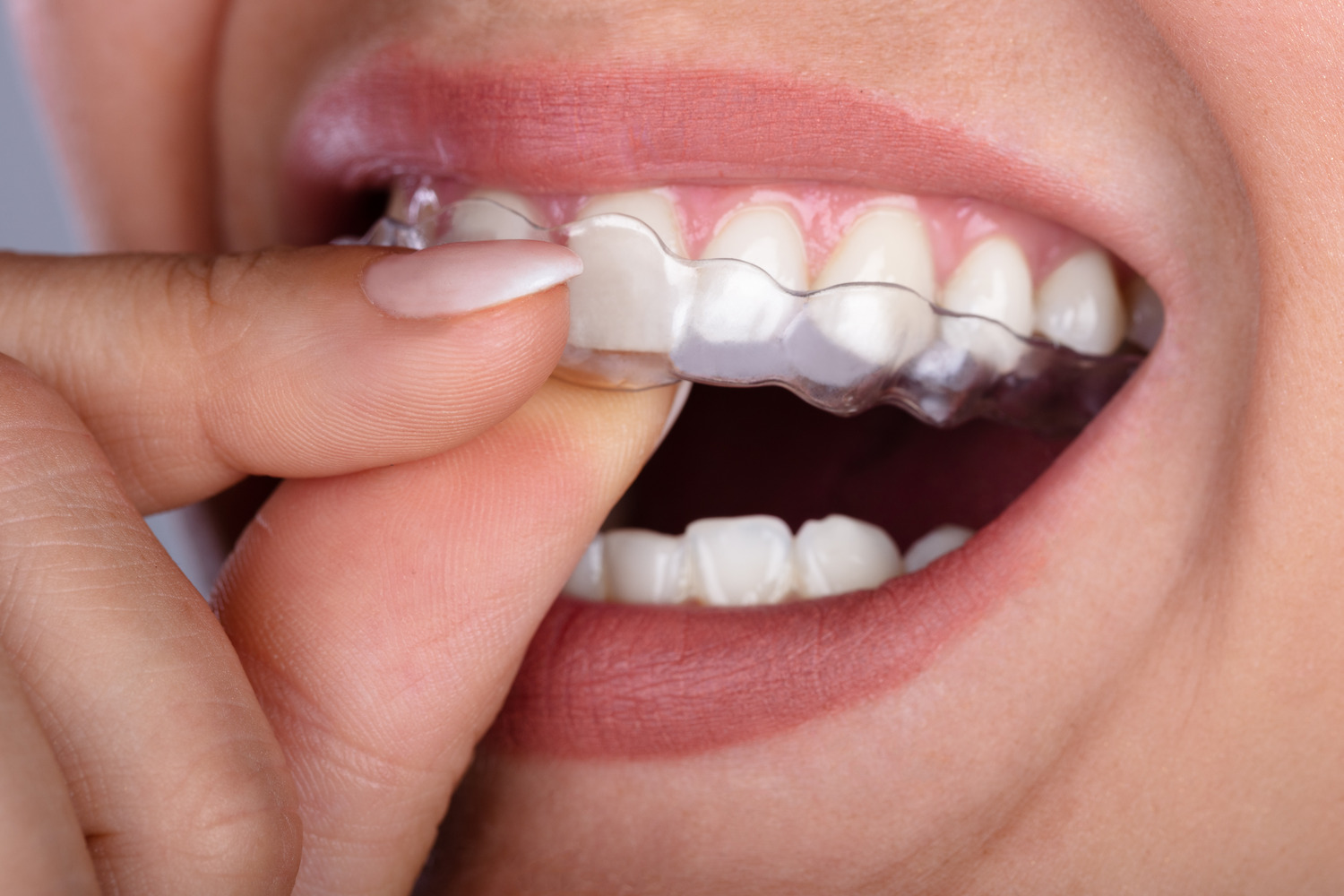
You will receive a series of custom trays, each worn for a set period, often one to two weeks, before you switch to the next. Many patients feel pressure for the first day or two with each new set. That tightness is a normal sign the trays are working, and it usually fades as the teeth begin to shift.
Progress Visits and Refinement Trays
Periodic appointments let our team confirm that your teeth are tracking with the plan. During these visits, we typically:
- Check how closely each tray fits against your teeth
- Compare your progress to the digital plan
- Identify any tooth that is lagging behind
- Review your brushing and flossing routine and answer questions
If a tooth needs extra help, refinement trays can be added near the end to fine-tune its final position. The clear aligner treatment timeline varies from person to person, but many cases fall between several months and a little over a year.
Why Does Wearing Your Aligners as Directed Matter So Much?
Wearing your aligners as directed matters because the trays can only move teeth while they are in your mouth. We generally ask patients to wear them 20 to 22 hours a day, taking them out only to eat, drink anything other than water, brush, and floss.
What Happens When Trays Stay Out Too Long
The bone remodeling described earlier depends on consistent pressure. When trays sit in a case for hours at a time, teeth can begin drifting back toward their old positions, and the next set may not fit as planned. Common signs that aligner wear time has slipped include:
- A new tray that feels unusually tight or will not seat fully
- Visible gaps between the tray and the edges of your teeth
- Progress falling behind the schedule in your plan
Over several weeks, these small setbacks add up. They can extend your timeline or call for extra refinement trays that would not otherwise have been needed.
Daily Habits That Keep Tooth Movement on Schedule
Consistency comes easier with a routine. Keep your trays in their case rather than wrapped in a napkin, where they are easily thrown away. Brush before putting them back in so food and sugar are not sealed against your enamel. Parents of teens in treatment often book progress checks alongside their own cleanings, which our family-friendly scheduling is built to handle.
What Keeps Your Smile Straight After Aligner Therapy Ends?
A retainer keeps your smile straight after aligner therapy ends. Even after the final tray, the bone and fibers around your teeth need time to firm up in their new positions, and teeth naturally tend to shift throughout life.
Most patients wear a retainer after aligner treatment consistently at first, then move to nighttime wear as directed. We provide custom retainers as part of the retention phase and can replace one that is lost, worn, or no longer fits. Skipping this step is one of the most common reasons teeth move again, so we treat retention as part of your care rather than an afterthought.
Schedule Your SimplyClear Aligner Consultation with Center Ridge Dental
Center Ridge Dental is welcoming new clear aligner consultations for teens and adults in North Ridgeville, OH. Browse our full range of dental services, then contact our team by phone or through our online form to schedule your visit and start planning a straighter smile built around your goals.
Sources

Dr. Nate Harris
Dr. Harris is dedicated to providing personalized, patient-centered dental care built on trust, comfort, and the latest in dental technology. He takes the time to listen to your concerns, explain your options clearly, and create treatment plans that align with your goals for a healthy, confident smile. As a graduate of The Ohio State University College of Dentistry and an active member of the American Dental Association, Ohio Dental Association, Greater Cleveland Dental Society, and West Shore Study Club, Dr. Harris continuously advances his knowledge to ensure you receive the best care possible. His priority is helping every patient feel informed, supported, and at ease throughout their dental experience.